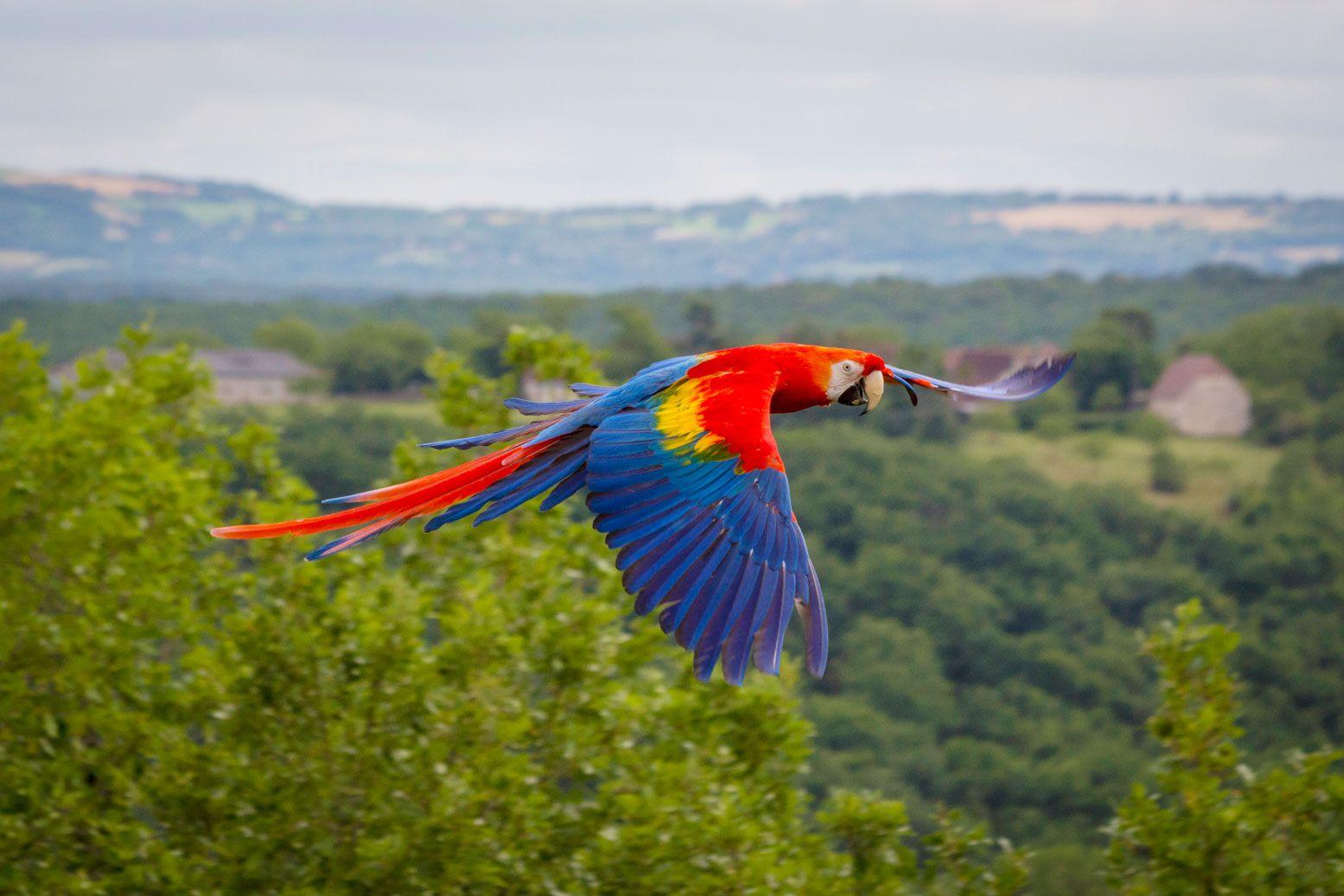
Enjoy the Benefits of Native Trees and Support the Macaws of Panama
Planting native trees in Azuero helps restore wildlife habitat, protect water and soil, and support the survival of Panama’s Great Green Macaws and Scarlet Macaws. Through the Ara Panamá Project, PWC is working with local communities to bring native forests back to life.
The Urgent Need for Reforestation in the Azuero Massif
Planting trees is a vital investment in the ecological future of the Azuero Peninsula.
The Azuero Massif is a region defined by its rich natural history, yet it remains highly threatened. Today, we see scattered forest patches clinging to the steepest mountains, forcing the wildlife of Panama into increasingly isolated pockets of rainforest. These fragments often lack the continuous canopy and diverse food sources that species like the Great Green Macaw and the Scarlet Macaw require to survive.
Over decades, the landscape across the Azuero region has been lost or fragmented. However, change is taking root. Many of our neighbors are countering these losses by reintroducing native trees back onto their farms, woodlands, and private landscapes.
The Ara Panama Project: Action in Mariato
Panama Wildlife Conservation (PWC) is actively encouraging local communities across Mariato to join forces in planting native species. Historically, reforestation efforts favored "prestige" timber like Caoba (Mahogany) and Cocobolo. While valuable, a healthy ecosystem needs more than just hardwood.
Through the Ara Panama Project, PWC is:
• Sourcing Native Saplings: Purchasing diverse native trees from local nurseries in Santiago to donate to communities around Torio.
• Empowering Local Growth: Supporting the creation of community tree nurseries to produce rare native plants that are difficult to source but essential for the diet and nesting of macaws. For example, planting rare native Palm trees that are frequently used by the great green macaws in Azuero region.
• Building Alliances: With the rainy season approaching, PWC is collaborating with the Cámara de Turismo de Mariato, CEDEM, Hotel Heliconia, Torio Hills, and Forest Finance to collect seeds and identify strategic biological corridors.
Native Corotú seeds for reforestation
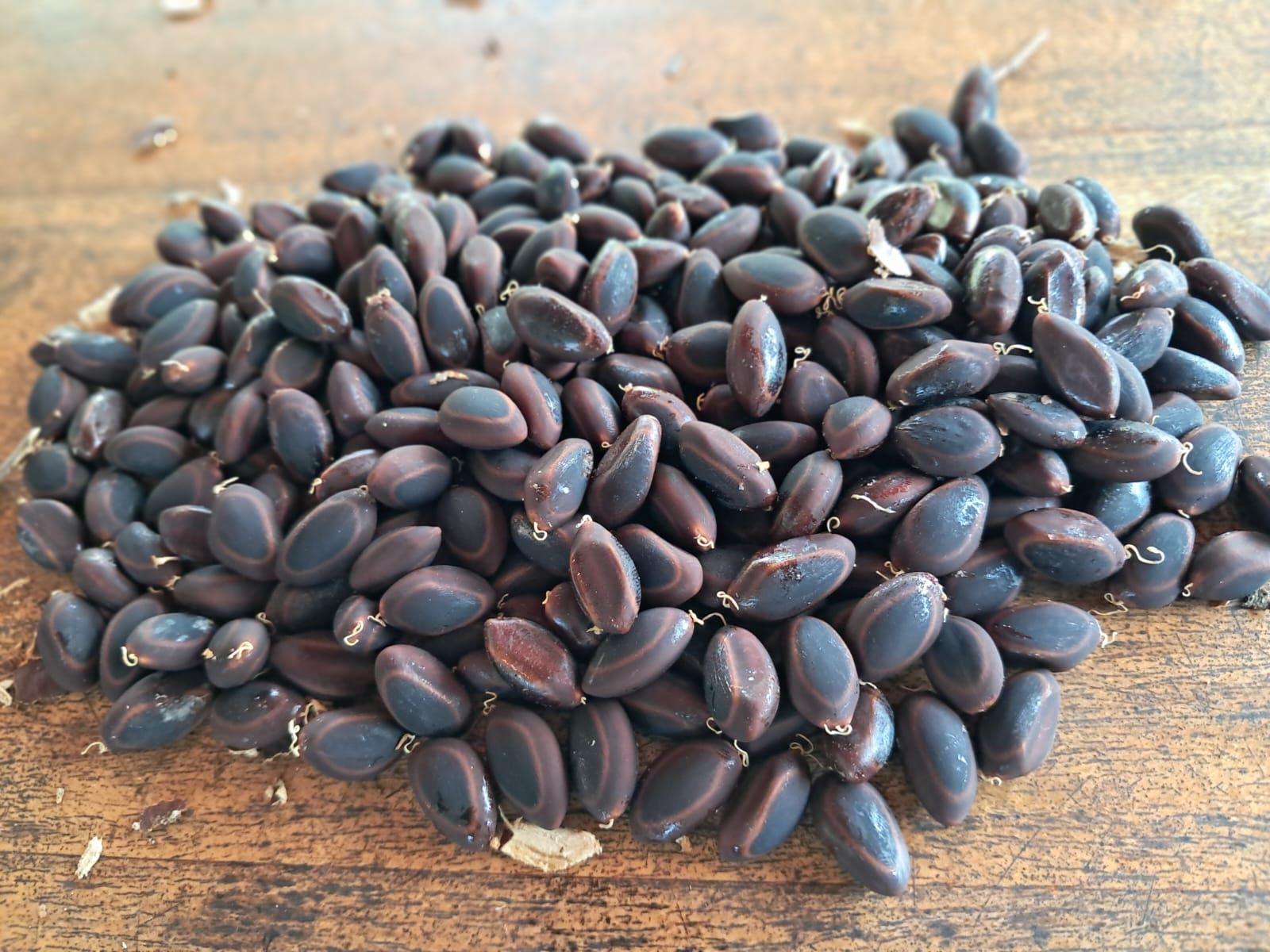
Attribution: Amy Walker
Great Green Macaw feeding on native palm fruits
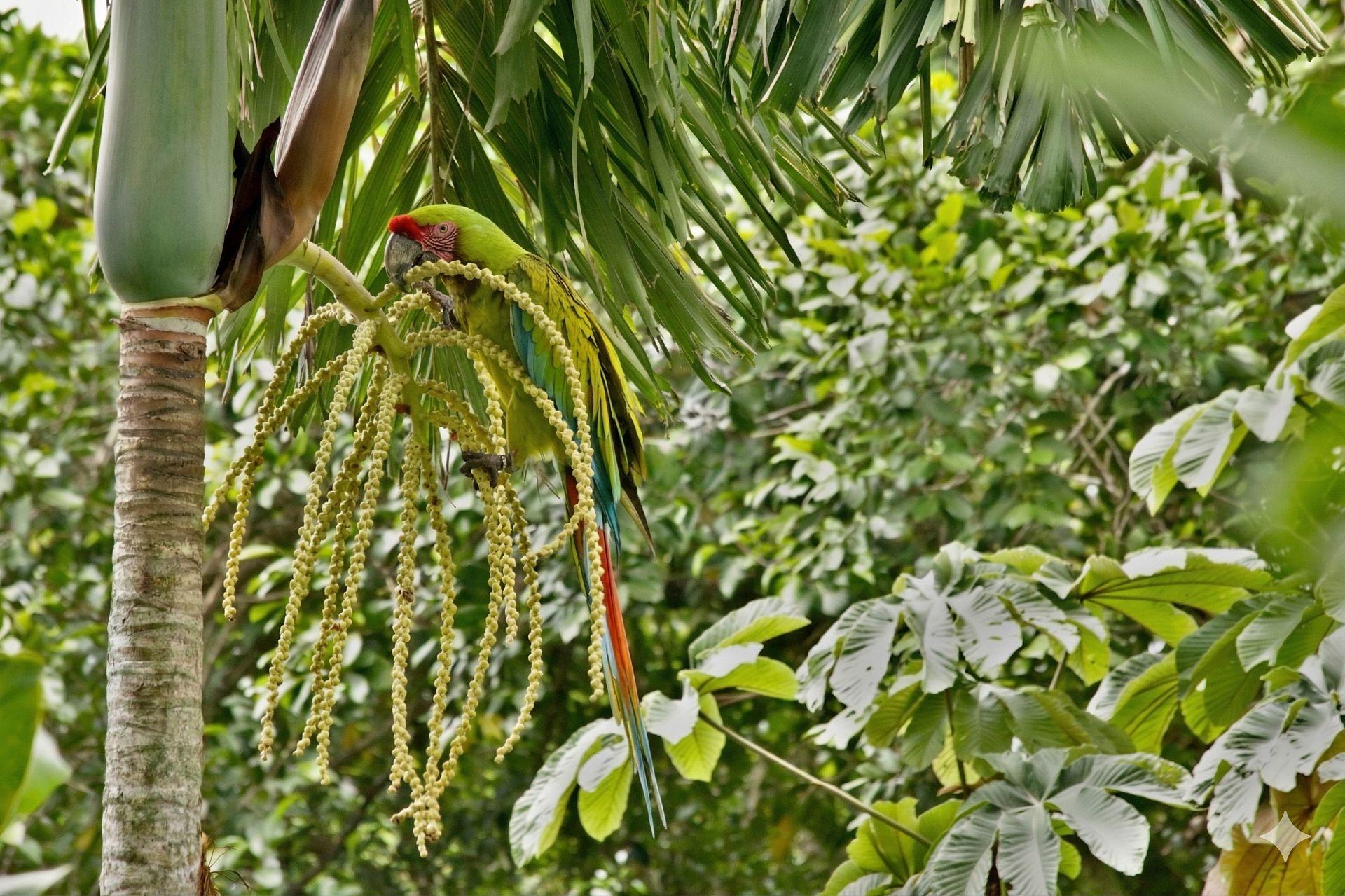
Attribution: GF Photography - Ara Manzanillo
Why Choose Native Trees for Your Property?
If you are a landowner in Azuero, choosing native species over exotic ones is the most impactful decision you can make for Panama wildlife. Here is why:
1. Perfect Adaptation to Local Conditions
Native trees are evolutionary champions. Unlike imported species, they are perfectly adapted to the specific soil types of the Azuero Peninsula and our distinct tropical wet and dry cycles. They require less maintenance and have higher survival rates because they belong here.
2. Increased Ecosystem Resiliency
By planting a diverse assortment of trees and shrubs, we replicate the historic complexity of the rainforest. This diversity acts as a natural shield, helping to deter the spread of pests and diseases that often devastate monocultures (plantations of just one species).
3. Essential Habitat for Macaws and Pollinators
Many native trees are the primary food source for Panama’s iconic birds. The fruits, nuts, and seeds they produce provide year-round sustenance. Furthermore, trees like the Espavé or Mountain Almond provide critical nesting sites. They also support pollinators; early-season flowering trees provide the nectar that bees and beneficial insects need to thrive.
4. Protection of Water and Soil
Trees are nature’s engineers. A single mature tree can absorb significant quantities of water, reducing the risk of flash flooding. Their extensive root systems stabilize the earth, preventing soil erosion and keeping sedimentation out of our pristine rivers and coastal systems in Mariato.
Join the Movement
Beyond the environmental science, trees provide shade, beauty, and a legacy for future generations. Every single tree planted improves the overall health of the Azuero Masiff.
Contact Panama Wildlife Conservation today for more information on which native trees and shrubs are best suited for your land and how you can help protect the macaws of Panama.