The Winged Treasure of Azuero
The Green Macaw is one of Azuero's most threatened symbols. Protecting it means conserving the forests of Cerro Hoya, restoring native habitats, and supporting local communities through education, monitoring, and responsible ecotourism.
What is the Great Green Macaw?
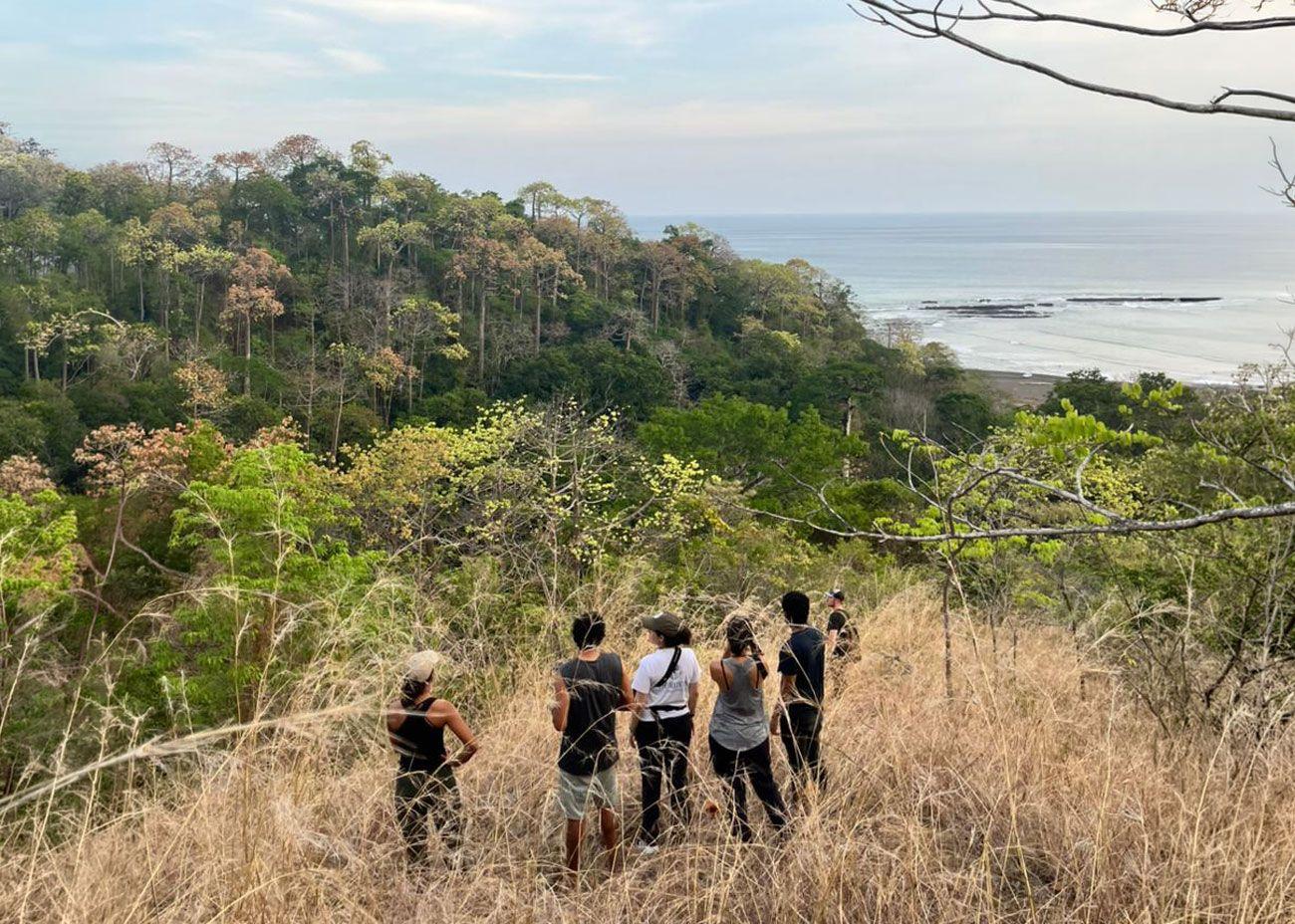
Cerro Hoya National Park can be considered an island on the mainland, isolated from the country’s main mountain ranges. Surrounded by human pressures, it survives thanks to its steep mountains, dense forests, and people with a strong environmental conscience. It is home to many species of fauna and flora of national and global importance, including several endemic species.
It is also home to one of Panama’s most iconic birds, and one of the species at greatest risk of disappearing from both our country and the world: the Great Green Macaw (Ara ambiguus).
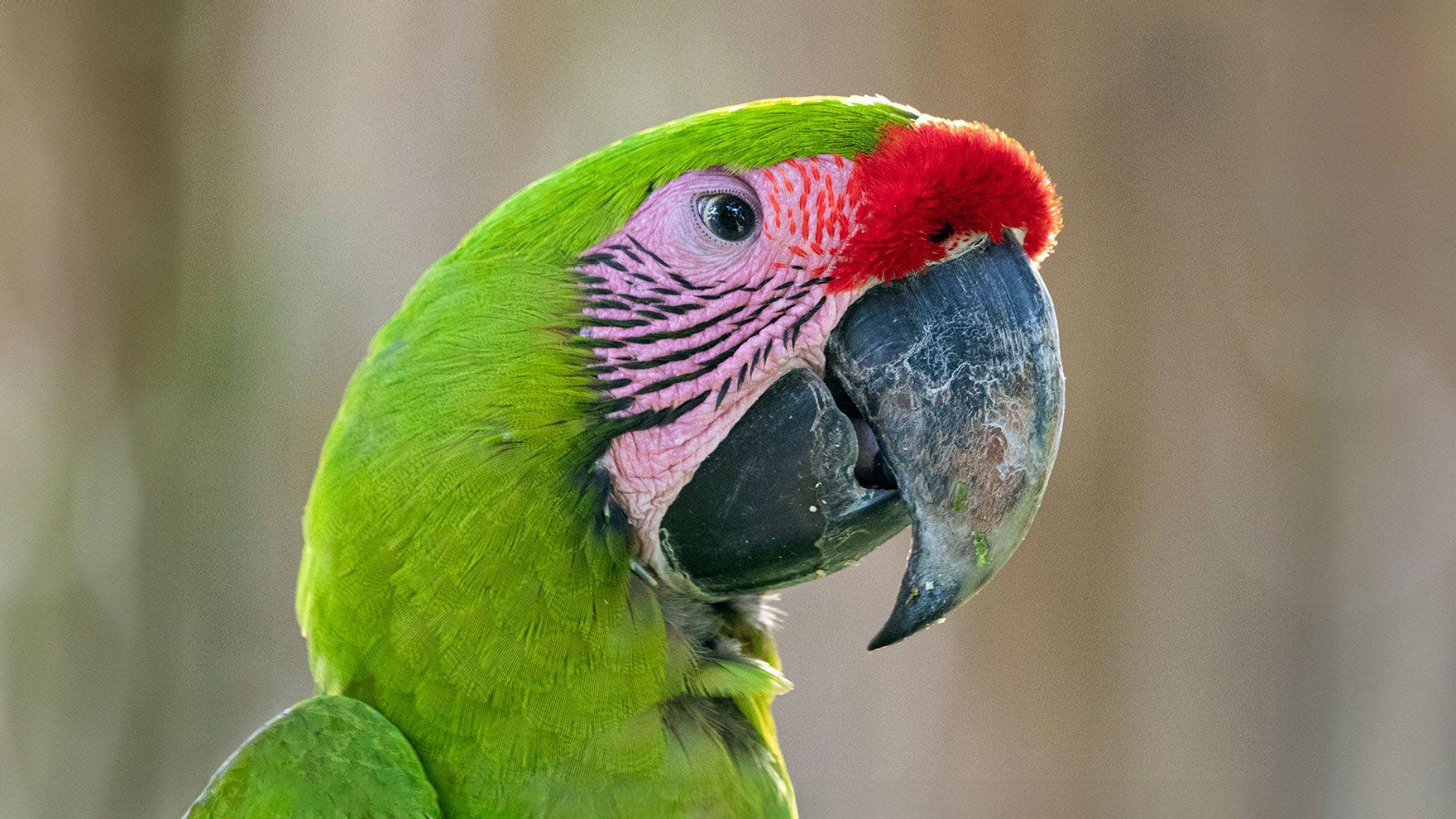
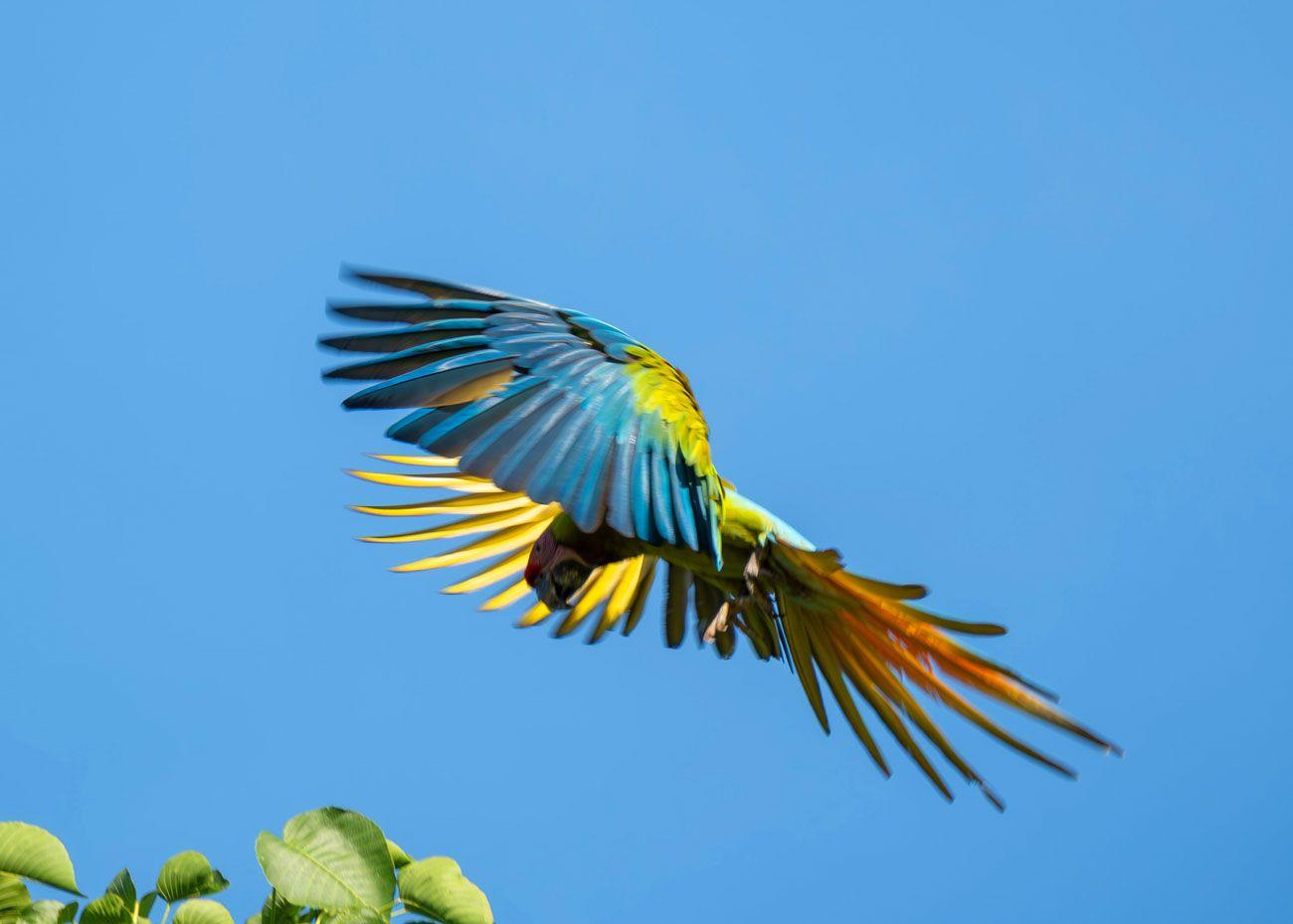
The Great Green Macaw is one of the most impressive and threatened birds in Panama. With its large size, bright green plumage, and powerful flight over tropical forests, this species has become a symbol of the natural wealth that still survives on the Azuero Peninsula.
It is the second-largest psittacine in the world and a key species for forest health, as it feeds on fruits and seeds, helping to disperse native plant species. In Panama, its populations are mainly found on the Caribbean slope, in Darién, and in Azuero, where it survives in small groups associated with the forests of Cerro Hoya National Park and its buffer zones.
Globally, the Great Green Macaw is distributed from Honduras to Colombia and Ecuador, but its populations have declined drastically due to habitat loss and the illegal extraction of chicks. In Azuero, recent records indicate the presence of fewer than 50 individuals, making this region one of the last important refuges for the species in the country.
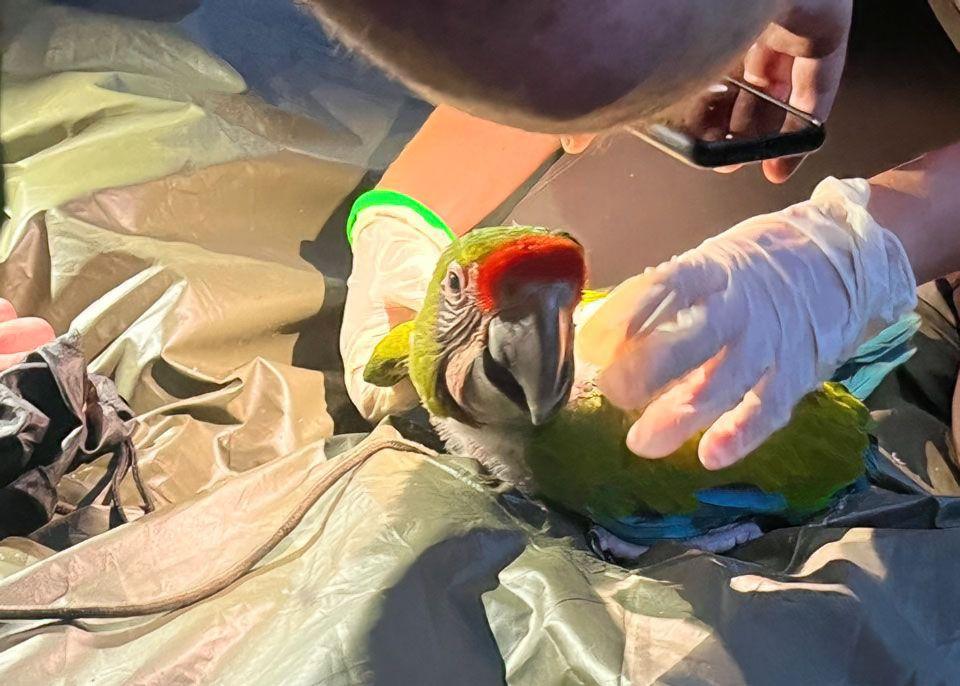
Great Green Macaw chick during conservation monitoring
Attribution: Panama Wildlife Conservation
The Importance of Its Conservation
Conserving the Great Green Macaw means protecting far more than an emblematic species: it means safeguarding the forests that sustain life in Azuero. By feeding on fruits and seeds, this bird plays an essential ecological role as a seed disperser, helping to regenerate degraded areas and maintain the diversity of native trees.
Its presence is also an indicator of ecosystem health. Where macaws still fly, there are still forests capable of providing food, shelter, and suitable nesting sites. For this reason, protecting this species also means conserving the habitat of many other birds, mammals, reptiles, amphibians, insects, and plants that depend on the same natural landscape.
In a region where forests have been fragmented by decades of human pressure, the Great Green Macaw represents a unique opportunity to connect conservation, ecological restoration, environmental education, and responsible tourism for the benefit of both biodiversity and local communities.
Threats
The threats facing these birds are constant. Habitat loss is the greatest risk to this species. The disappearance of nesting and feeding sites is one of the main causes of population decline. The capture of chicks for sale is another serious problem. Although this has decreased in recent years thanks to the efforts of conservationists, it remains a present threat today.
Protection
Protecting the Great Green Macaw requires continuous and coordinated efforts between local communities, conservation organisations, public institutions, and private allies. In recent years, various initiatives have worked to better understand this species, reduce its threats, and strengthen the conservation of the forests where it still survives.
Biological monitoring is a fundamental tool. Through the observation of individuals, the identification of feeding areas, the monitoring of trees used for nesting, and the recording of behaviour, conservation teams can generate key information to design more effective actions.
These actions include the protection of natural nests, the restoration of degraded habitats, reforestation with native species important for its diet, and environmental education in schools and communities. Each of these activities contributes not only to the recovery of the Great Green Macaw, but also to the protection of the entire ecosystem it shares with many other species of fauna and flora.
Examples of conservation actions include reforestation activities using native tree species. School and community-based environmental education are also vital for raising awareness about this bird and sharing information about its current conservation status.
These initiatives not only help macaws, but also support the entire natural environment where this bird lives. Protecting this species means protecting the future of Azuero’s forests.
Ecotourism as an Alternative for Conservation
Responsible ecotourism can become a key tool for the conservation of the Great Green Macaw and the forests where it lives. In communities near Cerro Hoya National Park, where economic opportunities are often limited, nature tourism can generate local income through community guides, accommodation, food services, transport, and birdwatching experiences.
When communities receive direct benefits from protecting biodiversity, the macaw gains a new value. It is no longer seen as a vulnerable resource for capture or illegal trade, but as a living symbol of local pride and sustainable development.
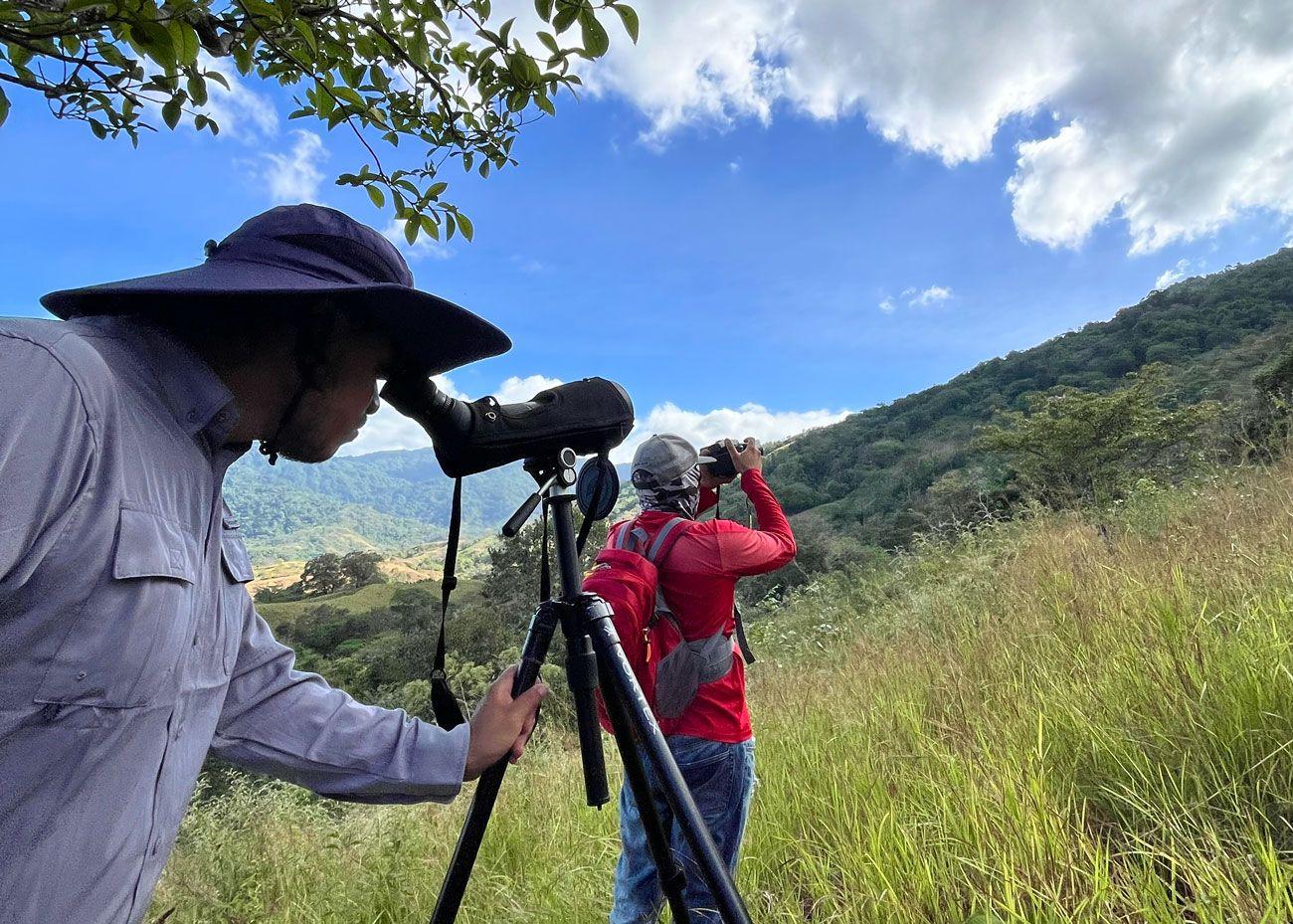
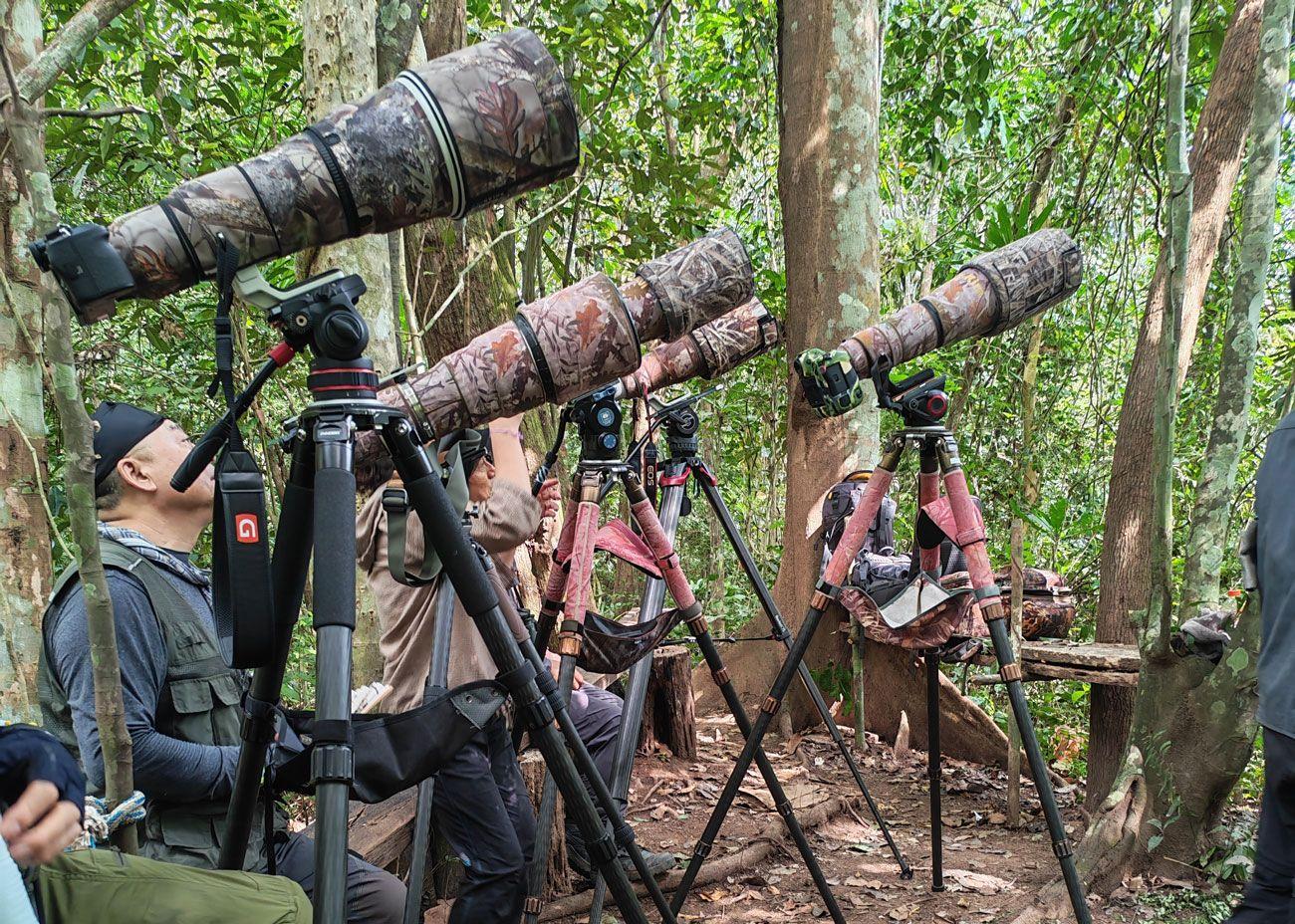
However, this tourism must be carried out with proper planning and environmental sensitivity. Macaw watching should avoid disturbing feeding, resting, and nesting areas, especially during the breeding season. For this reason, the training of local guides, the design of responsible routes, and the participation of conservation organisations, public institutions, and private companies are essential.
Promoting well-managed ecotourism in Azuero not only helps protect the Great Green Macaw, but also strengthens the local economy, encourages environmental education, and offers visitors an authentic experience: discovering one of Panama’s most extraordinary natural treasures while directly contributing to its conservation.
The Great Green Macaw is far more than an extraordinary bird: it is a living symbol of the forests that still endure in Azuero, and of the opportunity we have to protect them before it is too late. Its future depends on concrete action: safeguarding nesting trees, restoring native food sources, supporting scientific monitoring, and working alongside local communities. At Panama Wildlife Conservation, we invite you to be part of this effort: share this message, support our conservation projects, and help us ensure that the flight of the Great Green Macaw remains part of Panama’s natural landscape for generations to come.
Birdwatching (Macaw) in Azuero
Attribution: Panama Wildlife Conservation
Attribution: Wereldreizigers Nl via Hotel Heliconia
Attribution: Ecotour Darién
Source: Panama Wildlife Conservation