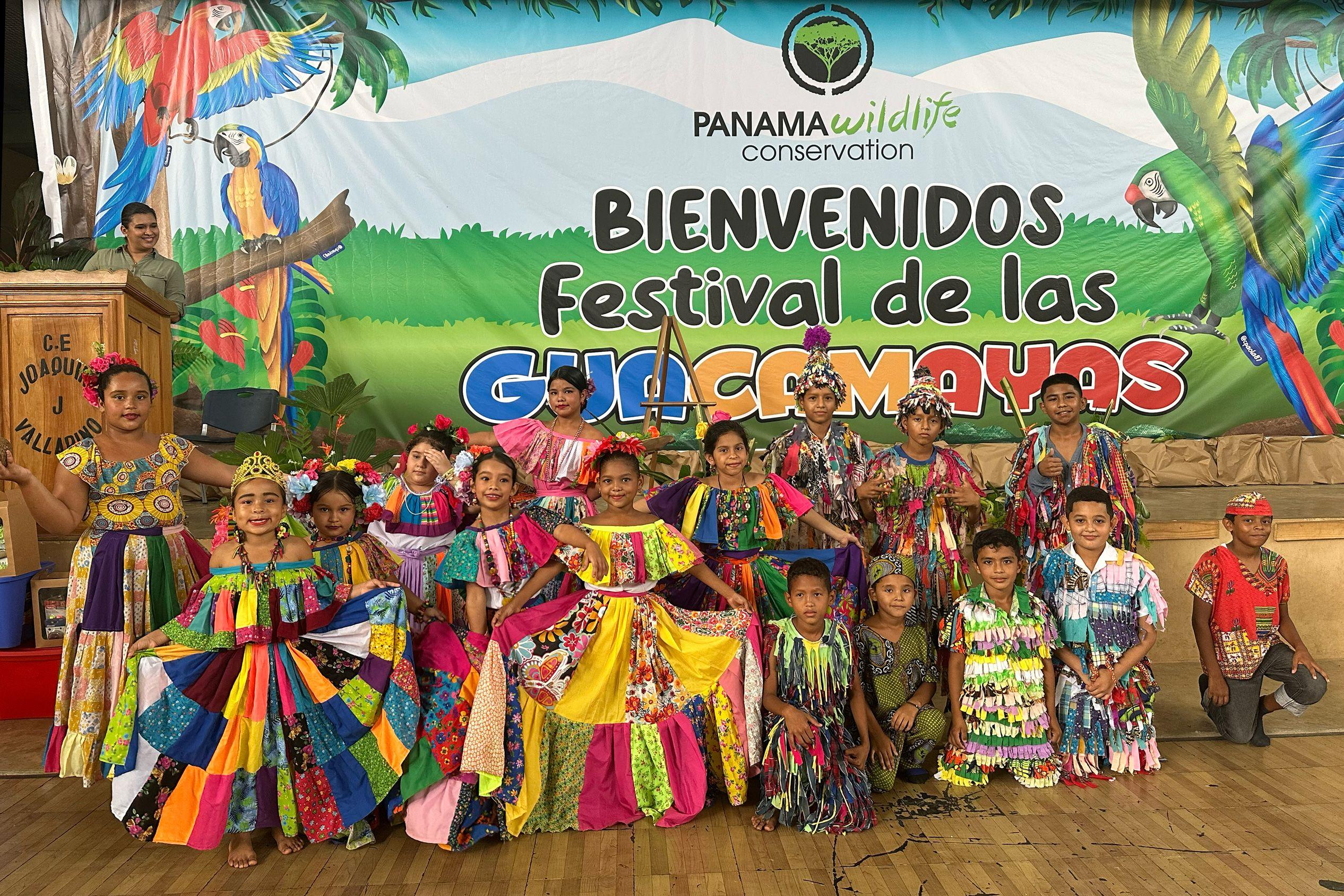
Mariato Takes Flight for Macaw Conservation
More than 200 students joined the III Macaw Festival in Mariato, where environmental education, local culture and community conservation came together to celebrate Panama’s biodiversity and inspire the next generation of conservation leaders.
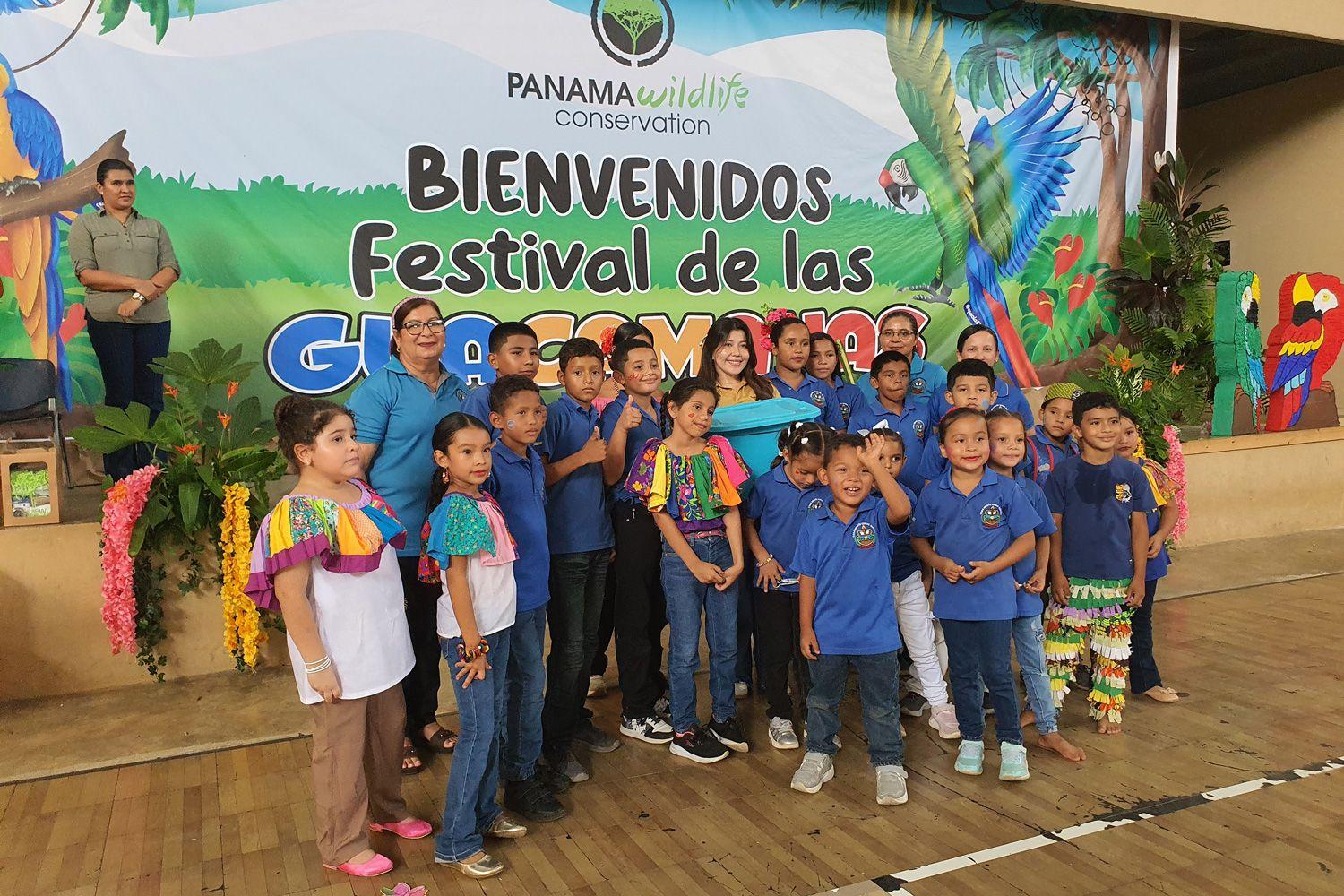
In Mariato, conservation is also learned through songs, drawings, stories and the celebration of local identity. On June 18, 2026, Panama Wildlife Conservation held the III Macaw Festival at Centro Educativo Joaquín José Vallarino, in Llano Catival de Mariato, bringing together more than 200 students, teachers, authorities, partner organizations and community members for a day dedicated to environmental education, culture and Panama’s biodiversity.
The festival was created as a space to bring children and young people closer to the world of macaws and other psittacines found in Panama. Over time, it has become much more than an educational event. It is now a meeting point where schools, institutions and local organizations come together to strengthen pride in Veraguas’ natural heritage and promote concrete action for conservation.
In this third edition, the guacamaya verde was one of the main symbols of the day. This emblematic species represents not only the beauty of tropical forests, but also the challenges facing wildlife in landscapes affected by habitat loss, forest fragmentation and human pressure. Its future depends on a shared effort that connects science, education and communities.
Environmental education rooted in place
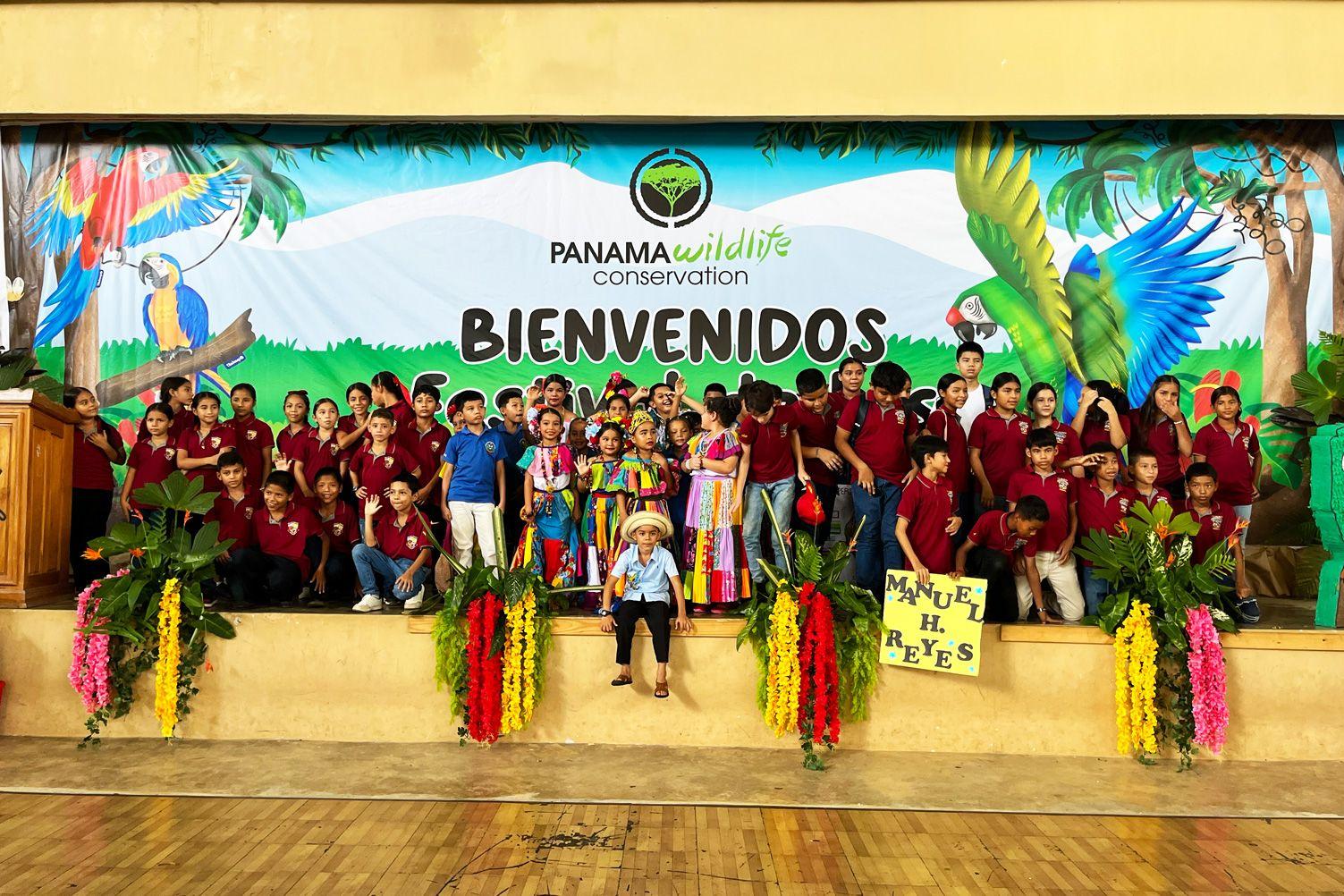
The III Macaw Festival brought together students from several schools across the province of Veraguas, strengthening exchange among rural schools, teachers and EcoClubs committed to conservation.
From the district of Mariato, participating schools included Escuela Limones, Escuela Manuel H. Reyes and Centro Educativo Joaquín José Vallarino. Centro Educativo Básico General Serafín Vargas Quintero, located in Flores de Mariato, also participated, along with Centro Educativo Dr. Ricardo Martinelli Pardini from Guarumal, in the district of Soná.
EcoClubs from Centro Educativo Básico General José Santos Puga and Instituto Profesional Omar Torrijos Herrera, both from Santiago, also took part in the festival. Their participation allowed students from different communities to share experiences, ideas and messages about the importance of protecting biodiversity.
For PWC, these spaces are essential because long-term conservation depends on a generation that understands, values and protects wildlife from within its own territory. When students learn about the species that live near their communities, they also discover that they can become guardians of their future.
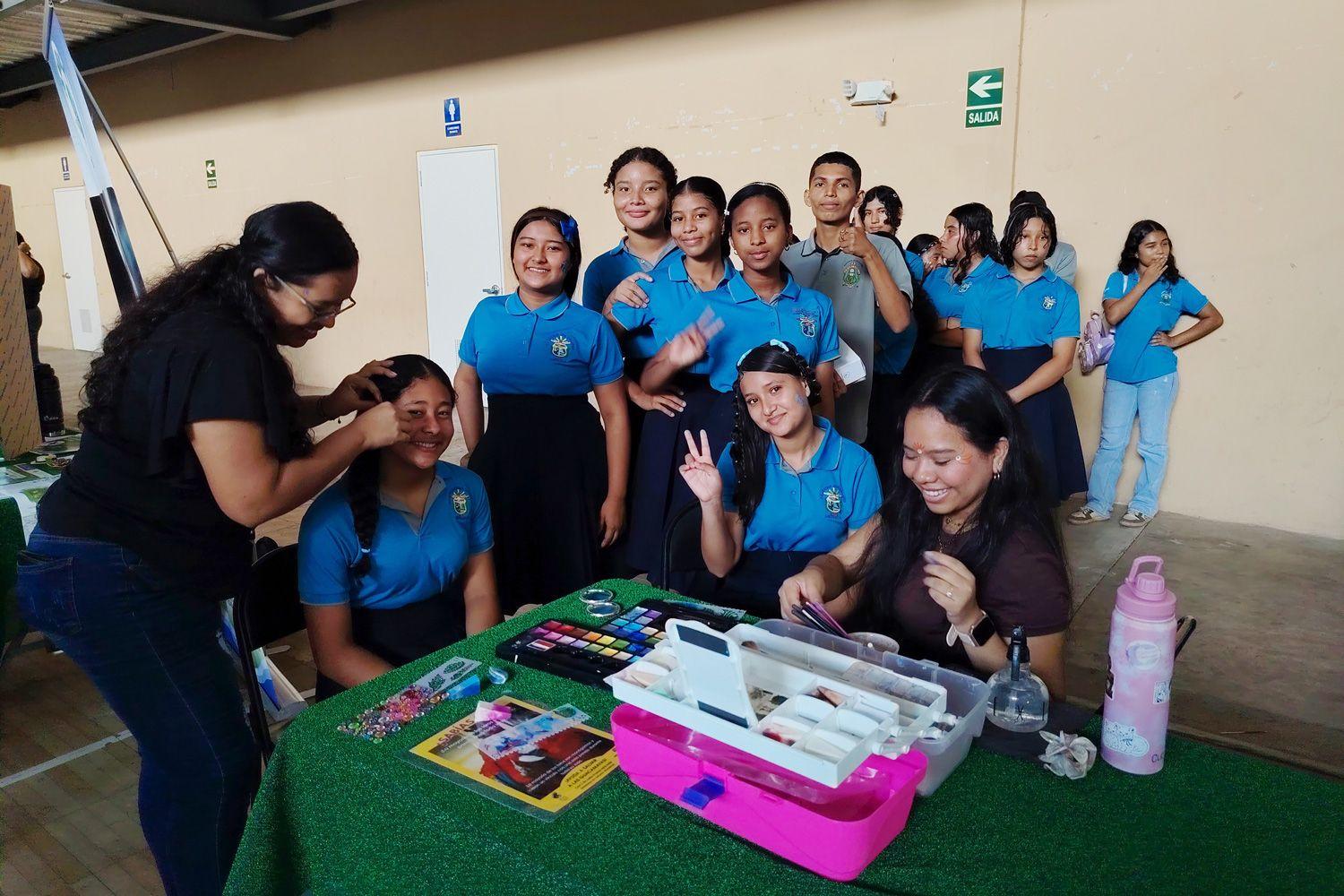
Macaw Festival: students and local culture
Source: Panama Wildlife Conservation
Local culture as a bridge to conservation
The official opening of the festival was led by the Diablitos Sucios Danza Campo Alegre Calderón group, a representative cultural expression of the region that filled the event with color, rhythm and local identity.
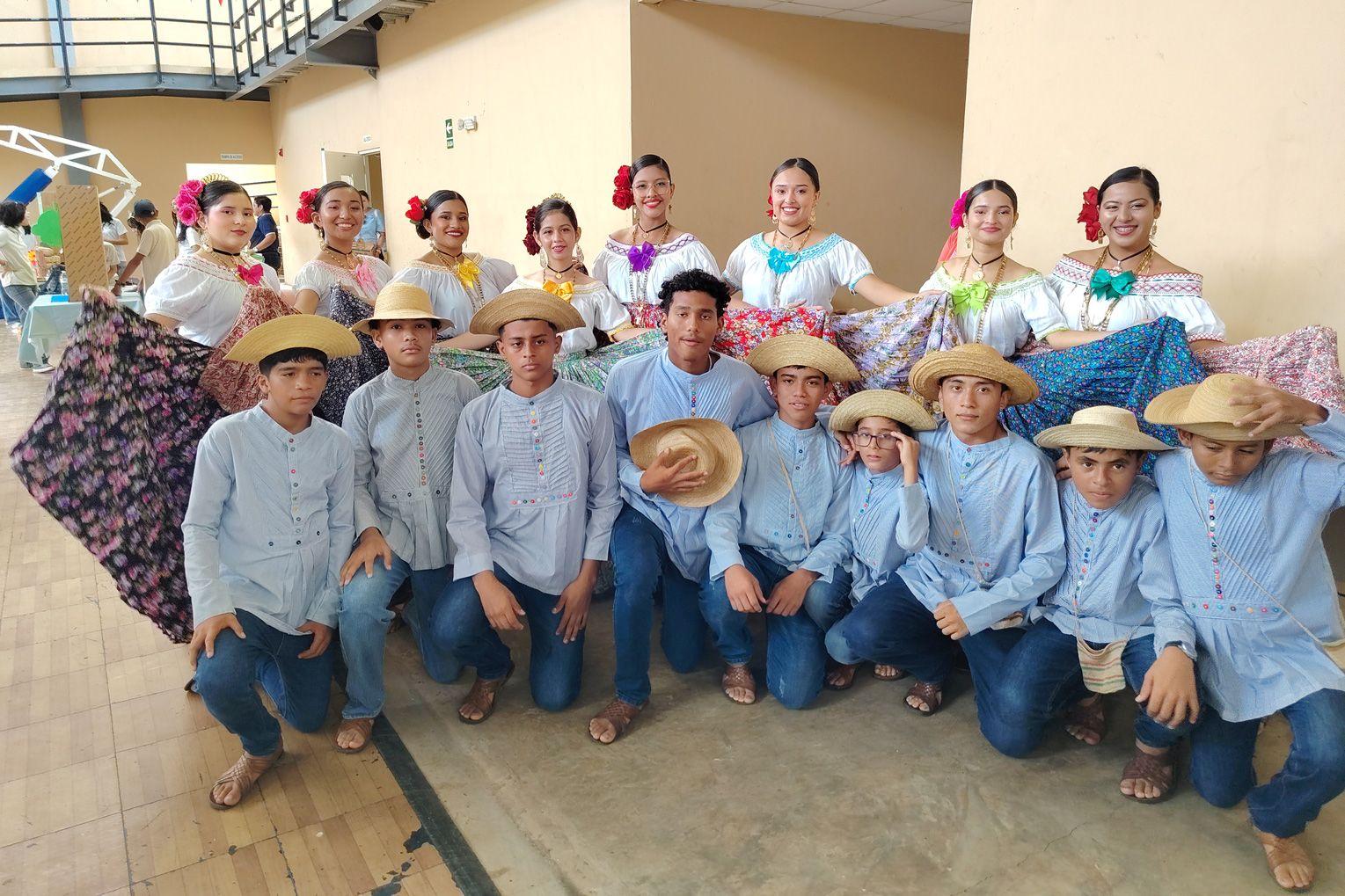
Conservation does not happen separately from culture. In communities like Mariato, traditions, memory and artistic expression are part of how people relate to the landscapes around them. By integrating cultural performances into the festival, the environmental message became connected to community pride and identity.
The event also included presentations by Grupo Folclórico Proyecciones Mariato from Centro Educativo Joaquín José Vallarino, as well as Proyecciones Folclóricas from Centro Educativo Básico General Serafín Vargas Quintero. Both groups shared the talent and cultural richness of the region with the audience.
One of the most moving moments was the presentation of the décima “La Guacamaya Verde”, performed by Vicente, a young boy known as “El Guardián de Varadero”. Through his voice, the conservation message became local, creative and deeply human. Protecting nature is also about protecting the stories, symbols and landscapes that give communities their identity.
Learning by doing: creativity, art and science
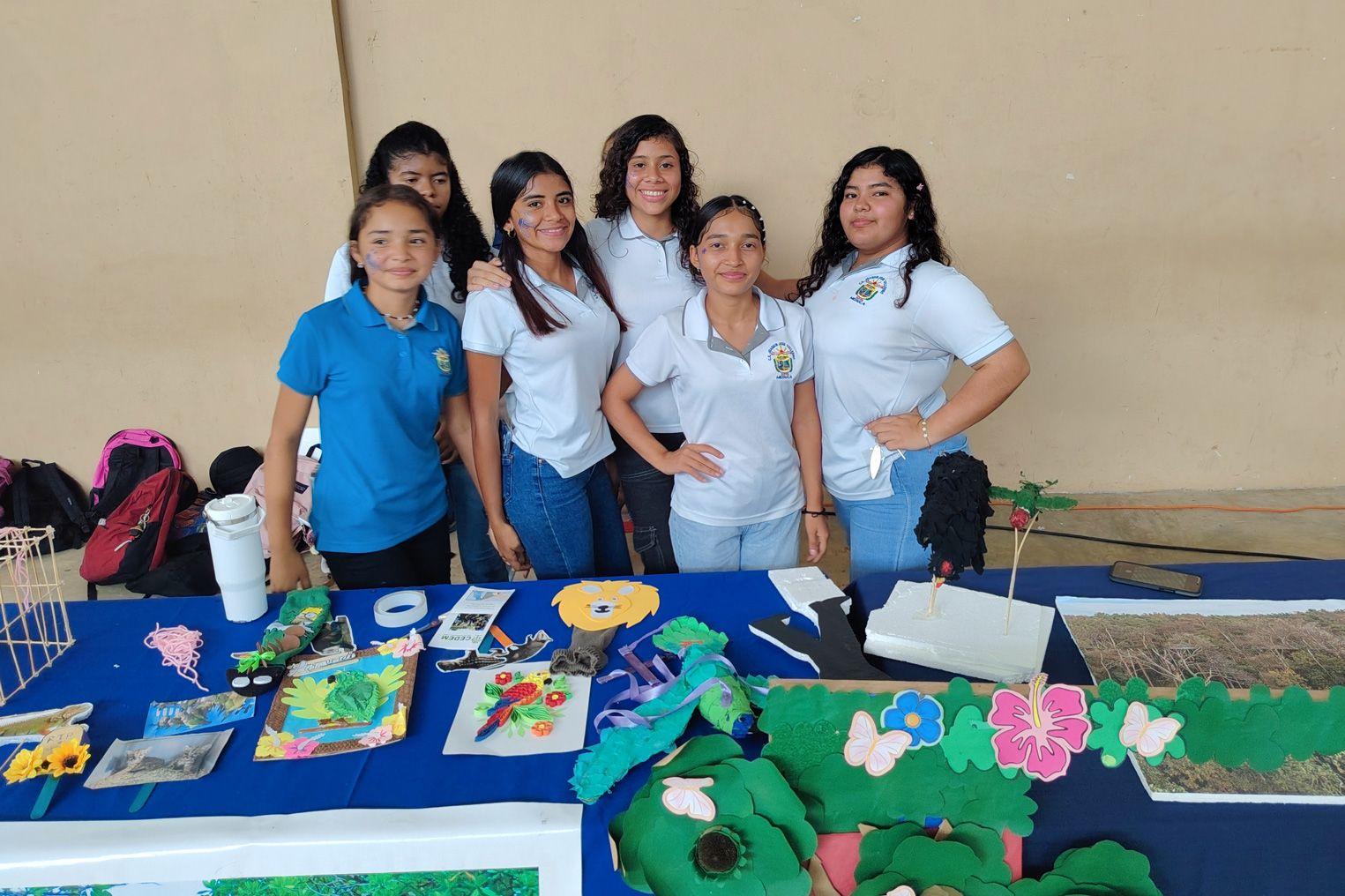
One of the most anticipated activities was the 3D Creative Artwork Contest, where primary school students presented pieces inspired by the region’s psittacines. Through art, participants represented macaws, parrots and parakeets, highlighting their beauty, ecological importance and the need to conserve their habitats.
Centro Educativo Dr. Ricardo Martinelli Pardini won first place in the 3D Creative Artwork Contest. Second place went to Centro Educativo Básico General Serafín Vargas Quintero, third place to Escuela de Limones and the honorable mention to Escuela Manuel H. Reyes.
The EcoClubs also demonstrated their creativity and communication skills through the presentation of Eco-stories, transforming environmental messages into accessible and memorable narratives. Centro Educativo Dr. Ricardo Martinelli Pardini also won first place in this contest. Second place went to Centro Educativo Joaquín José Vallarino, third place to Instituto Profesional Omar Torrijos Herrera and the special mention to Centro Educativo Básico General José Santos Puga.
These activities show that environmental education can go far beyond a lecture or a classroom lesson. When students create, investigate, tell stories and present their ideas, learning becomes more meaningful. Conservation stops being an abstract concept and becomes a lived experience.
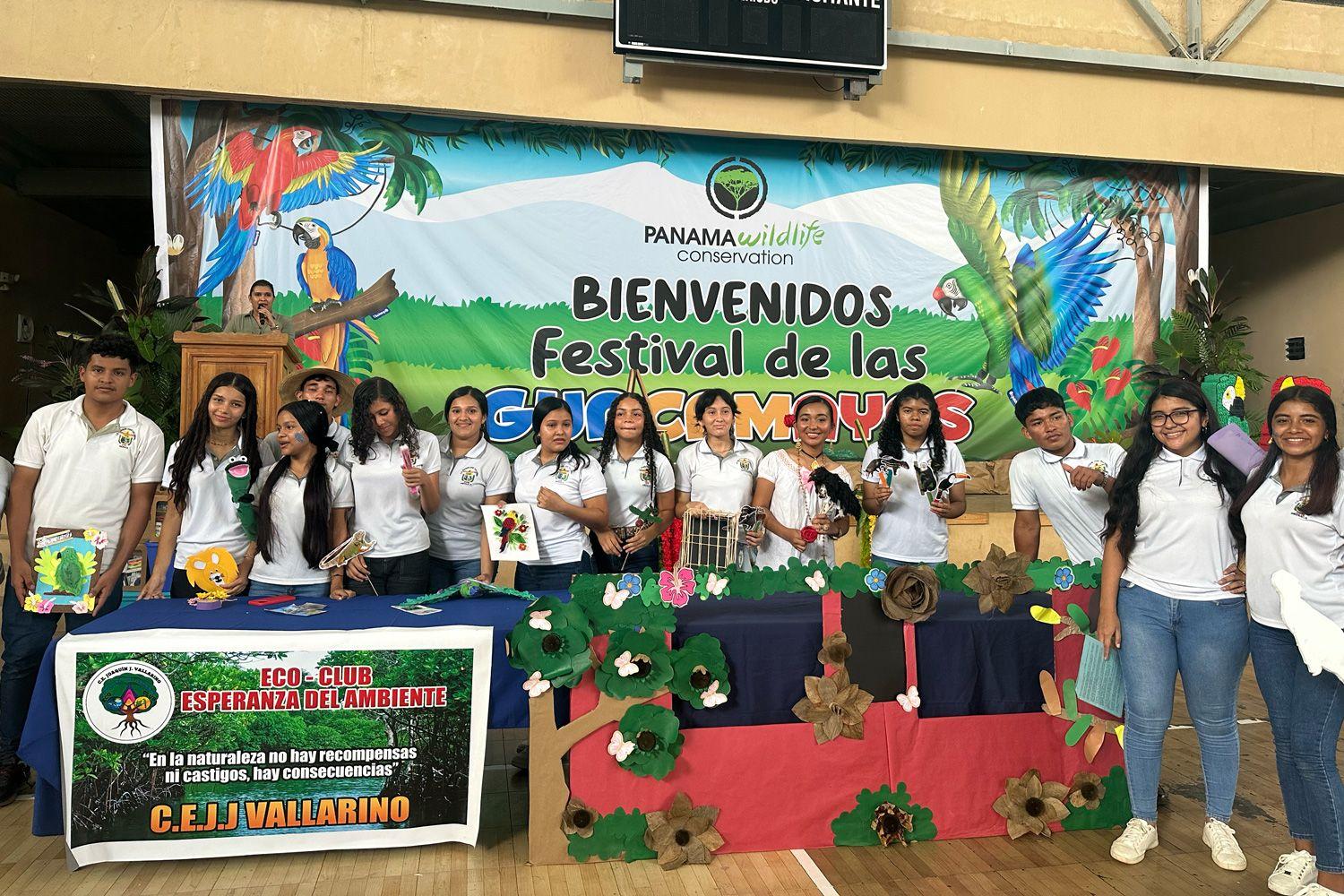
Students present projects on biodiversity
Students present handmade biodiversity displays during Panama Wildlife Conservation’s Festival de las Guacamayas, sharing creative projects about wildlife, habitats, and the importance of conservation education.
Source: Panama Wildlife Conservation
Source: Panama Wildlife Conservation
Source: Panama Wildlife Conservation
Source: Panama Wildlife Conservation
Source: Panama Wildlife Conservation
Source: Panama Wildlife Conservation
Attribution: Panama Wildlife Conservation
A festival committed to sustainability
The environmental message of the festival was also reflected in how the event was organized. As part of PWC’s commitment to reducing waste, concrete actions were taken to reduce the use of single-use plastics.
Participants were encouraged to bring their own reusable bottles, and hydration stations were available throughout the day so everyone could refill water. Wooden biodegradable cutlery was also used, reinforcing the importance of making decisions that are consistent with a conservation message.
These actions may seem simple, but they carry strong educational value. They show students and families that sustainability is not only about large-scale projects. It is also about everyday habits: reusing, reducing waste and thinking about the impact of our choices.
Partners working together for conservation
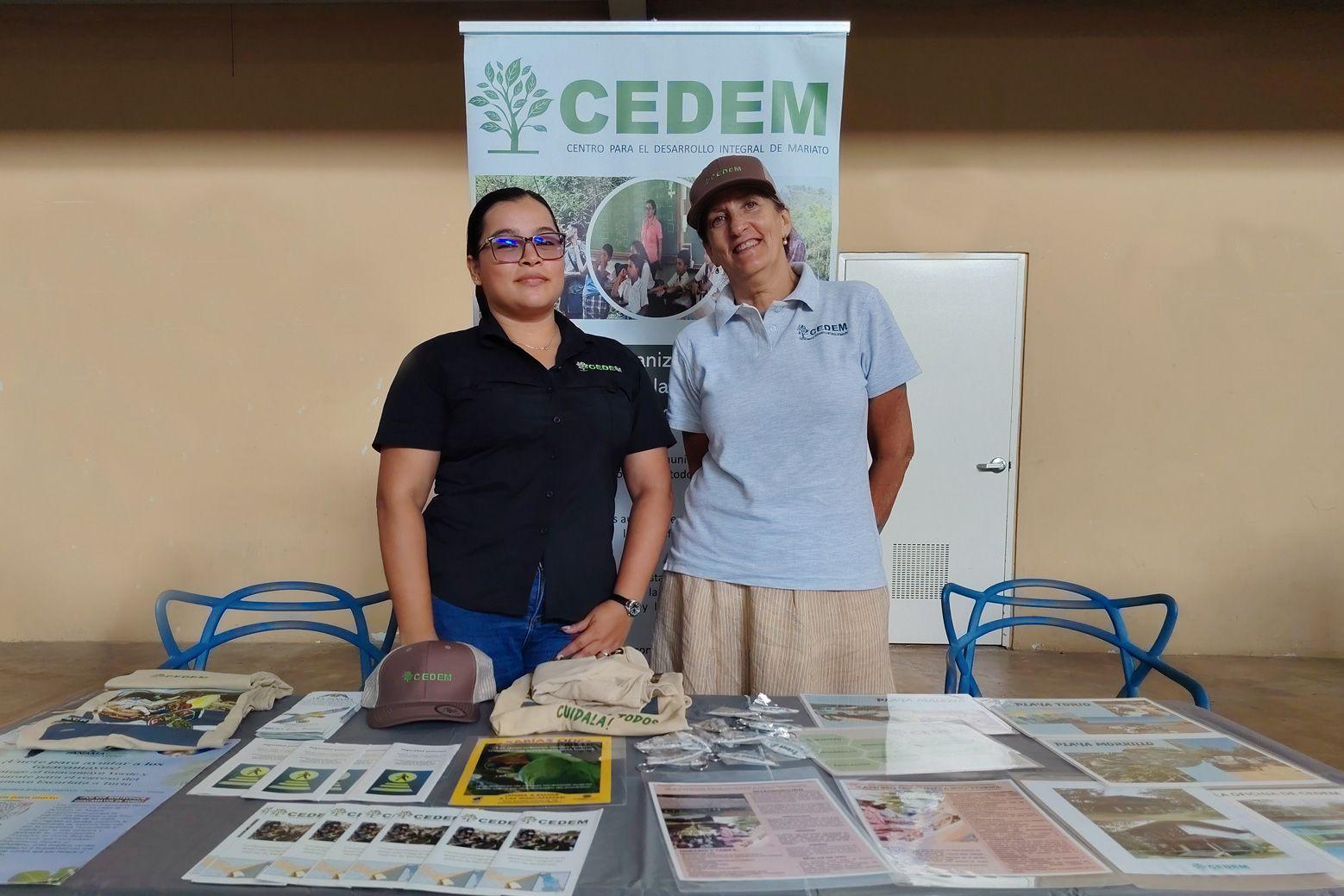
Educational exhibits were presented by Panama Wildlife Conservation, Fundación Agua y Tierra, Ambiente Saludable and the Centro para el Desarrollo Integral de Mariato. These organizations shared knowledge and experiences related to environmental conservation, sustainable development and community-based action.
The event also included representatives from the Ministry of Environment of Panama, the mayor of Mariato, the vice mayor of Santiago and authorities from the Ministry of Education, including the Environmental Education Coordination of Veraguas and the Educational Supervision of Mariato.
The participation of institutions, organizations and authorities reinforces a central idea for PWC: biodiversity conservation requires partnerships. No single organization, school or community can do it alone. Protecting species such as the guacamaya verde requires coordination, trust and shared commitment.
Panama Wildlife Conservation is deeply grateful for the support of the sponsors that made this third edition of the Macaw Festival possible: Islas Secas Foundation, World Parrot Trust, Forest Finance, Parrots Up Close, Constructora y Servicios Isis Herrera, S.A. and the Ministry of Environment of Panama.
We also recognize the collaboration of institutions, partner organizations, teachers, volunteers, parents, students and community members who joined this day of environmental education, culture and conservation in Mariato.
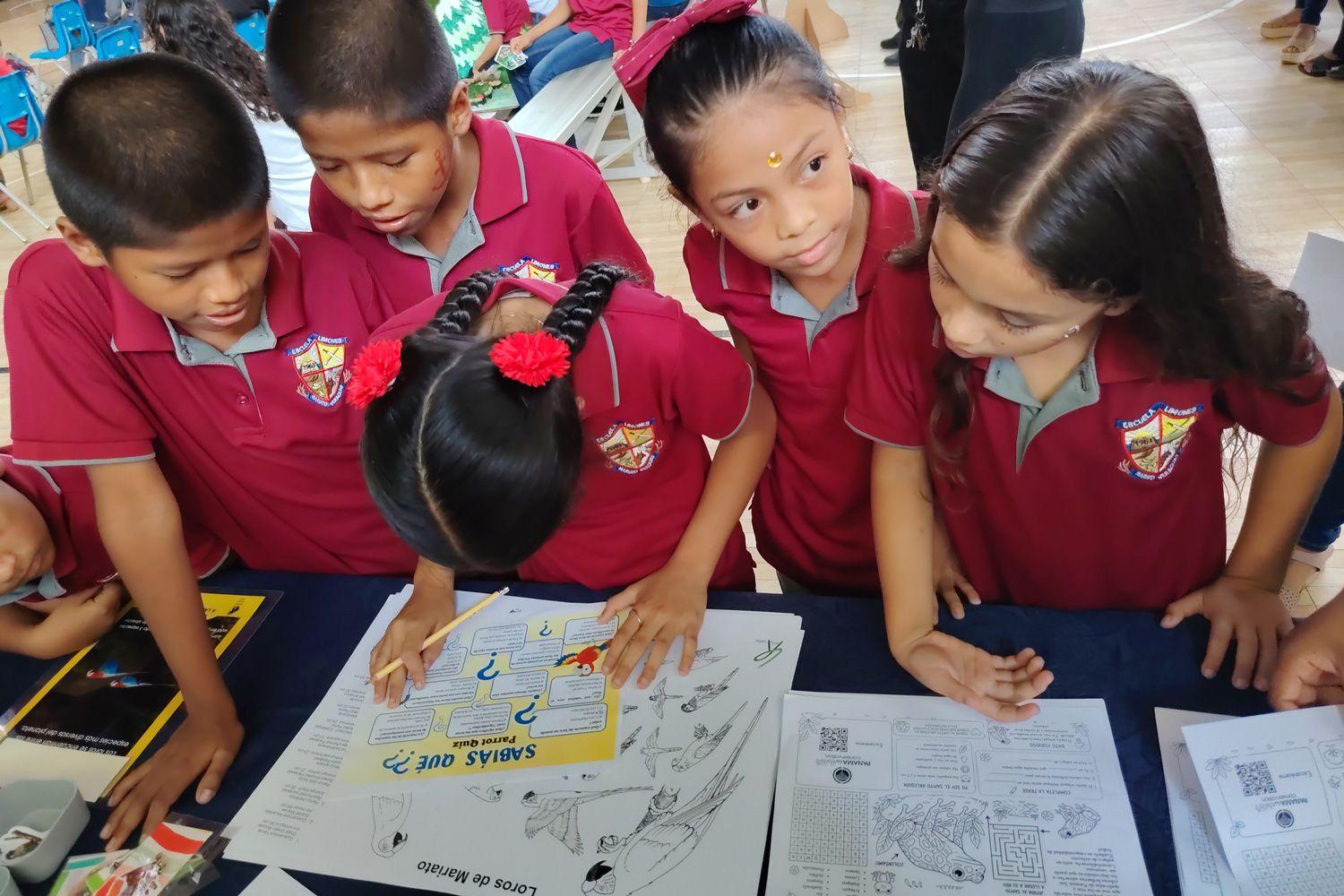
CEDEM shares educational materials at the festival
Attribution: Panama Wildlife Conservation
Children and youth as protagonists of change
The III Macaw Festival reaffirms that environmental education is one of the most powerful tools for building a more conscious and responsible future. Every artwork, every story, every cultural presentation and every conversation during the event showed that conservation does not only happen in laboratories, protected areas or field expeditions. It also happens in schools, community spaces and the places where children and young people discover that their voices matter.
For Panama Wildlife Conservation, working with new generations means planting knowledge, empathy and action. It means opening pathways for more students to see biodiversity not as something distant, but as part of their identity and their home.
The guacamaya verde and other psittacines need forests, food, safe nesting sites and communities committed to their protection. But they also need stories that inspire people to care. That is exactly what the festival does: it turns conservation into a shared, joyful and deeply human experience.
A commitment that continues
With this third edition, the Macaw Festival continues to grow as a space for learning, connection and hope in Mariato. More than an annual event, it represents a commitment to environmental education as a driver of change and to community participation as the foundation of conservation.
From PWC, we thank every student, teacher, institution, partner organization, volunteer and community member who made this day possible. Your participation shows that when we work together for nature, we also plant a more vibrant future for Panama.
Macaw conservation does not end with the festival. It continues in classrooms, homes, forests and in every action that brings us closer to a more respectful relationship with wildlife. Let us keep taking flight, together, for macaws and for Panama’s biodiversity.
Join Us in Protecting Panama's Wildlife
The Third Macaw Festival reminds us that conservation begins with people. Every child inspired, every teacher empowered, every volunteer involved, and every community engaged brings us one step closer to a future where macaws continue to soar over Panama's forests.
But there is still much more to do.
With your support, Panama Wildlife Conservation can expand environmental education programmes, restore critical habitats, protect endangered species, and work alongside local communities to create lasting conservation solutions.
Whether you are an individual, a company, a foundation, or an organisation, you can make a real difference.
Become a sponsor. Become a conservation partner. Become part of the future of Panama's biodiversity.
Visit www.panamawildlife.org or contact us to learn how you can help protect Panama's extraordinary wildlife for generations to come.
“The future of the macaws depends on the people who choose to protect them today. Thanks to the commitment of our young people, teachers, volunteers, and communities, we are sowing hope. With your support, this message will reach even further.”— Dr Luis Ureña